Student Outbound Camp
A student outbound adventure camp offers experiential learning through outdoor activities like trekking, camping, and team-building exercises. Designed to foster personal growth and leadership skills, these camps encourage self-confidence, resilience, and teamwork in a natural and adventurous environment.
Benefits of Student Outbound Camp
Development of Leadership Skills
Leadership camps help students develop key qualities like decision-making, problem-solving, and effective communication. Through adventure activities and team challenges, students simulate real-life scenarios, take initiative, and lead their peers, preparing them for future leadership roles.
Teamwork and Collaboration
Team activities and combat scenarios emphasize the importance of teamwork and collaboration. Students learn to trust and support each other, fostering unity and collective responsibility essential in both academic and professional environments.
Enhanced self – reliance and Resilience
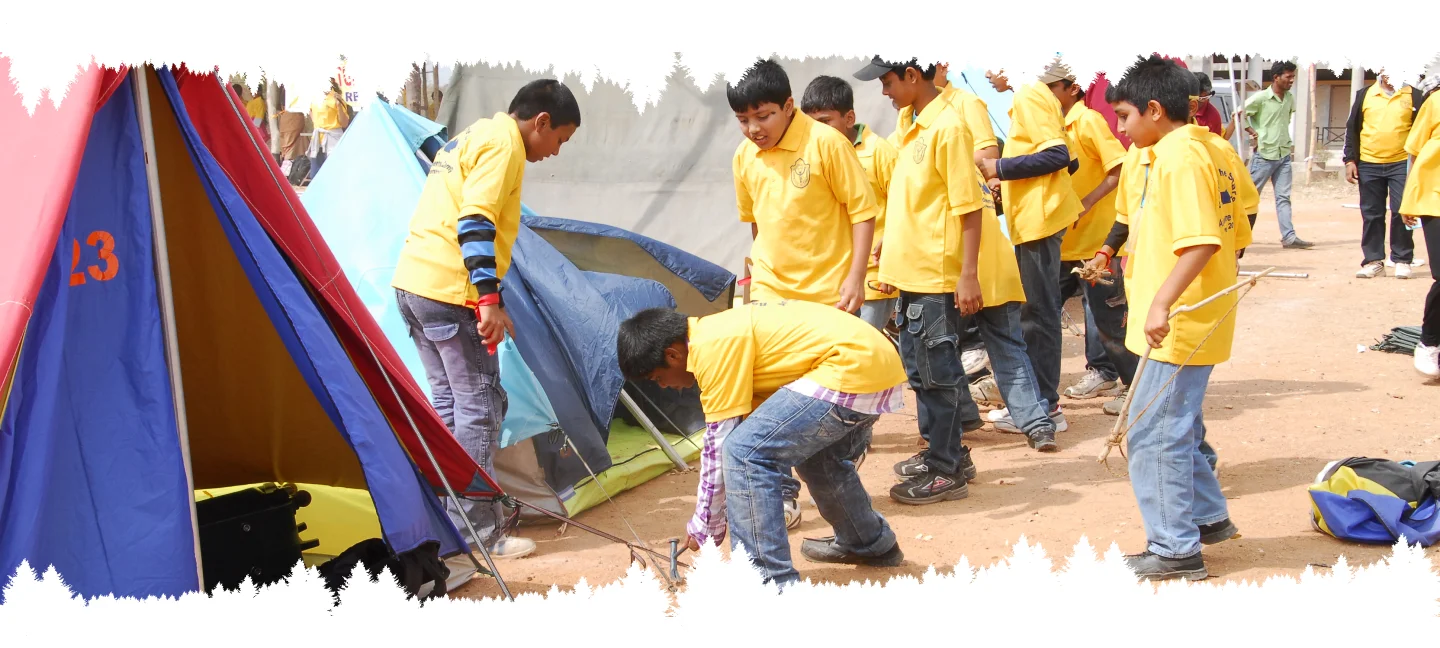
Staying in tented accommodation and self-cooking teach students self-reliance and practical skills. Overcoming adventure challenges like trekking and rock climbing builds resilience and confidence, preparing them for life’s obstacles.
Creativity and Social Responsibilty
Creativity activities and CSR projects at student camps encourage thinking outside the box and engaging in community service, fostering social awareness and responsibility. These experiences cultivate empathy and a sense of purpose, motivating students to make positive contributions to society.
Holistic and Personal Growth
Leadership camps blend physical challenges with reflection, fostering personal growth. Psychometric analysis aids self-discovery, while immersive team-building activities enhance interpersonal skills, preparing students for future success.
Safety Norms for Running a Student Outbound Adventure Camp
Qualified and Trained Staff
Make sure all instructors and staff are well-trained and certified in outdoor education, first aid, and emergency response. Hold regular training sessions and refresher courses to keep staff informed about safety protocols and current best practices.
Comprehensive Risk Assessment
Conduct comprehensive risk assessments for all activities and locations prior to the camp. Identify potential hazards and implement measures to minimize risks, ensuring robust safety protocols for all situations.
Health and Medical Preparedness
Gather health and medical details for all participants, such as allergies, medical conditions, and emergency contacts. Maintain a well-stocked first aid kit and medical supplies, with staff trained in basic medical care. Establish clear protocols for medical emergencies, including hospital locations and evacuation plans.
Appropriate Equipment and Gear
Utilize high-quality, well-maintained equipment for all activities, including climbing gear, tents, cooking supplies, and safety harnesses. Regularly inspect and maintain equipment to ensure optimal performance and safety. Provide participants with appropriate safety gear like helmets, life jackets, and protective clothing, ensuring they are used correctly for maximum safety.
Safety Briefings and Instructions
Before each activity, conduct comprehensive safety briefings for all participants. Cover the rules, potential risks, and safety measures thoroughly. Ensure participants comprehend and follow instructions, providing hands-on demonstrations when necessary. Highlight the importance of promptly reporting any concerns or incidents to staff for immediate attention.
Supervision and Participant Ratios
Maintain proper participant-to-instructor ratios to ensure effective supervision and individual attention during activities. Monitor participants closely, particularly during higher-risk activities, to ensure strict adherence to safety protocols.
Emergency Procedures and Communication
Create and communicate clear emergency procedures for various scenarios like injuries, severe weather, and missing participants. Ensure all staff and participants understand emergency signals and evacuation routes. Provide staff with reliable communication tools like two-way radios for maintaining contact in remote areas and coordinating emergency responses.
Environmental and Weather Awareness
Stay updated on weather conditions and forecasts, adjusting activities to prevent risky situations. Educate participants on environmental hazards like wildlife, plants, and terrain, and teach them how to avoid or handle them. Implement environmental conservation practices to reduce the camp’s impact on nature and promote responsible outdoor conduct.
Parental Consent and Participant Education
Obtain informed consent from parents or guardians, providing comprehensive details about camp activities, risks, and safety measures. Educate participants on personal safety, accountability, and the importance of mutual support. Regularly review and assess safety protocols, integrating feedback from staff and participants. Stay current with industry standards and advancements in outdoor safety, continuously enhancing practices to ensure participant safety and well-being.
CAS Initiative
Erudite Initiatives, founded in 1998, disrupts traditional educational travel by pioneering a comprehensive methodology. Our holistic approach intertwines experiential learning with sustainability ethics, enriching students’ character development.
In Program Development, we delve into issues at our destinations, establishing partnerships with local grassroots organizations. This collaboration births Erudite CAS activities that mutually benefit all involved parties.
Activities at Erudite Initiatives are meticulously designed, drawing inspiration from the International Baccalaureate framework. They immerse students in local cultures and challenge them in Creativity, Activity, and Service categories, fostering personal growth and discovery.
Some Key Points For CAS Initiatives:
- Identify own strengths and develop areas for growth.
- Demonstrate how to initiate and plan a CAS experience.
- Show commitment to, and perseverance in, CAS experiences.
- Demonstrate the skills and recognize the benefits of working collaboratively.
- Recognize and consider the ethics of choices and actions.
- Demonstrate engagement with issues of global significance.
Lastly, our commitment to Ethical Service ensures that all CAS programs prioritize genuine needs while upholding the rights and autonomy of participants. By fostering a culture of respect and community engagement, we aim to leave a lasting positive impact wherever we go.
Activities
Student Outbound Camp offers a valuable opportunity to develop essential life skills
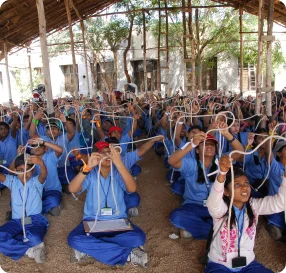
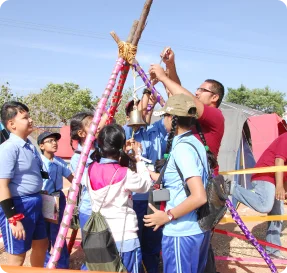
Knot Practice
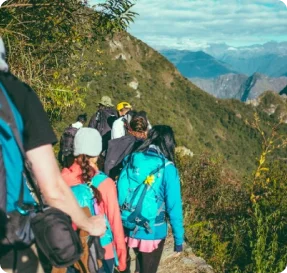
Blind Trekking

Zipline